We are extremely excited to announce our acquisition of the Lymes Shores Racquet Club.
My wife Kelly and I would like to introduce ourselves, as well as let you know what changes you should expect over the next 24 months. In 2014 we moved from Indiana to Connecticut, where we lived in Southbury for six years prior to the pandemic. In addition to making lifelong friends, we fell in love with the beauty of the state. During that time Kelly was very involved in USTA teams in both Northern and Southern CT leagues, but our involvement with tennis actually predates our move to the area.
Through our holding company (EKM Sports) we have owned the South Bend Racquet Club in Indiana for over 25 years. During that time, we have prided ourselves in having a clean, updated facility whilst continuing to grow tennis in the community. The ultimate goal has always been to provide members with a great experience, which then drives the activity in the facility and the health of the business.
Our plans are to integrate the operating model that has been successful for our Indiana facility with the existing LSRC approach. The high-level changes that we are planning over the next two years include:
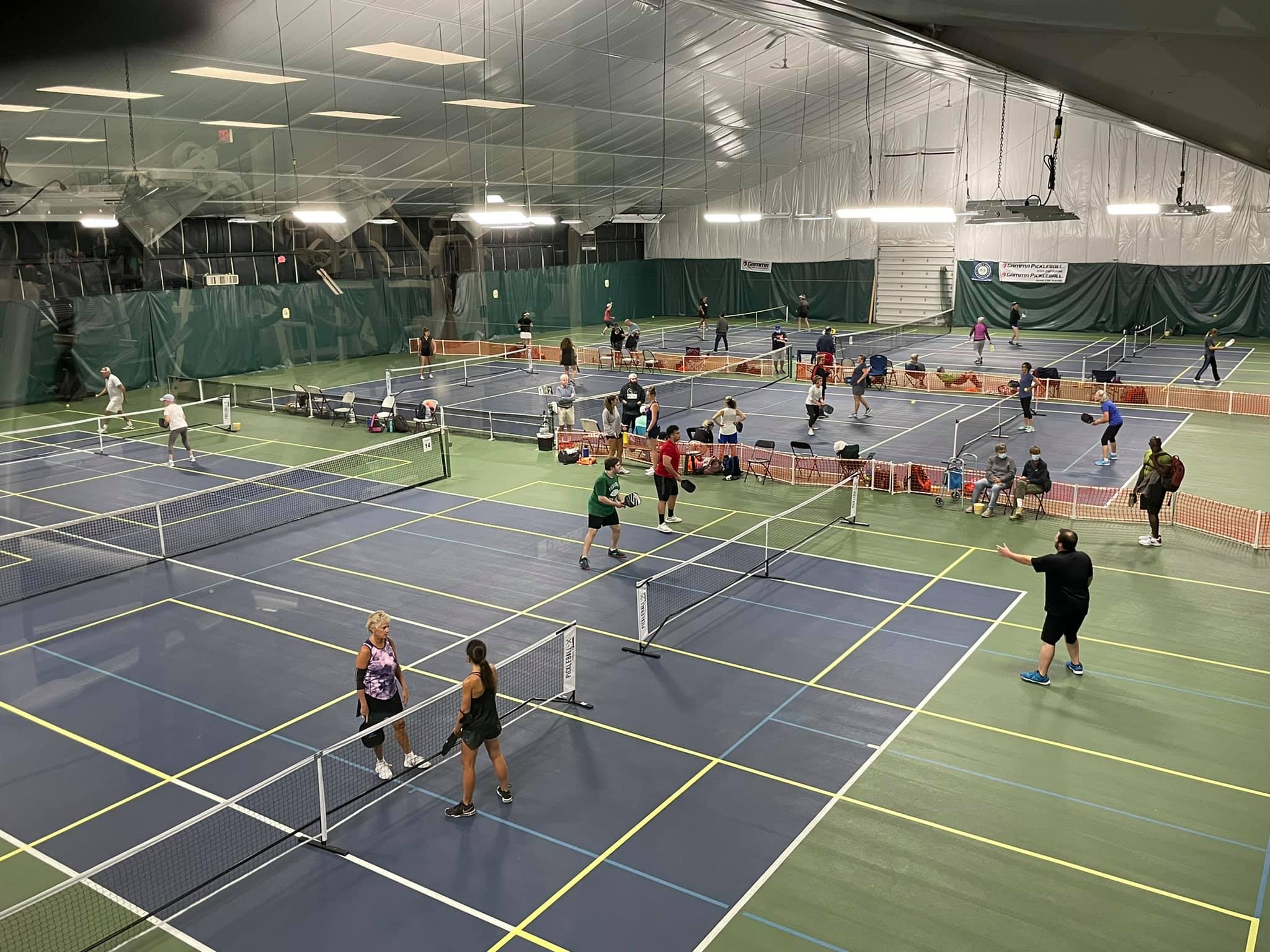
Upgrade Indoor Courts – We plan to address the following:
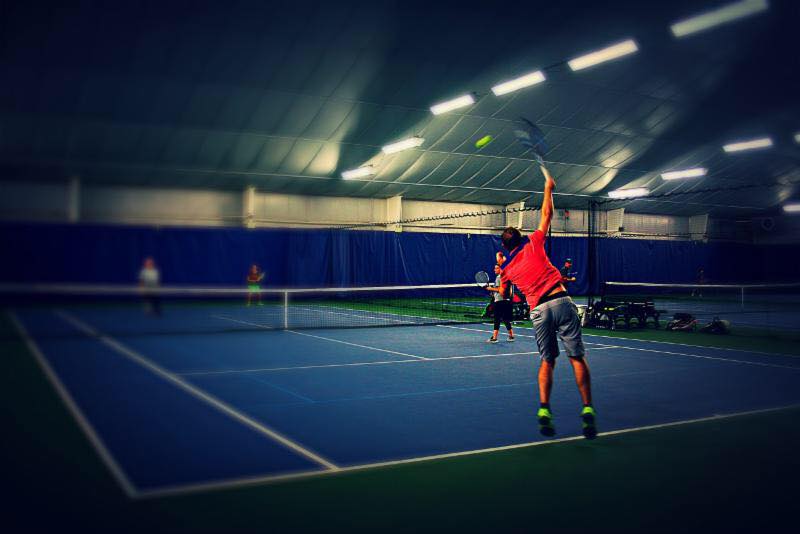
LIGHTING – We will increase the court lighting so there are no shadows
SURFACE – We will resurface the courts after other work is complete
HVAC – We are evaluating whether to add air conditioning to all courts
Renewed Focus on Tennis/Pickleball – We will be discontinuing the fitness component of the current business. This decision is driven by economic issues and we apologize to any fitness members. All fitness members will have their dues refunded on a pro-rated basis upon closing. Certain items may be sold to interested parties, but we expect to donate a large amount of equipment to local high schools.
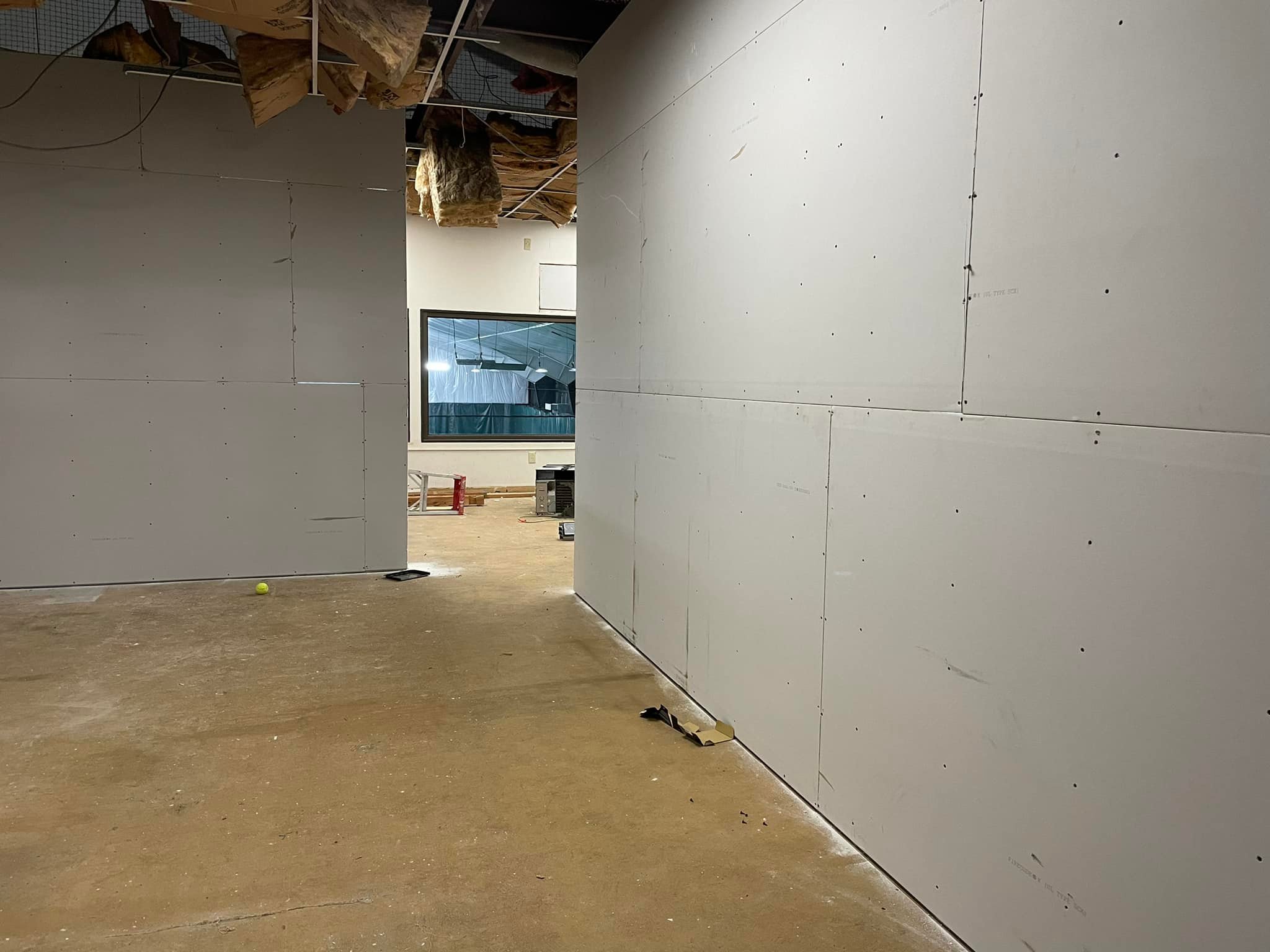
Tennis/Pickleball Pro Shop – We will be adding a full-line tennis/pickleball pro shop where the fitness equipment currently resides. We believe you will generally find our pricing to be BELOW the internet, but at the very least we match prices from all major internet retailers.
Dedicated Manager – Juan Maldonado – One of our current co-managers in Indiana will be moving to Connecticut to manage the LSRC operation on a full-time basis. Juan is originally from New England and is excited to be moving back to the area.
New Membership Year Period – We will be standardizing the membership year to better match the indoor season. Each membership year will begin on September 1st and end on the following August 31st. All membership payments already made for days after September 1st 2022 will be credited towards the 2022-2023 season. Also, we have an annual membership discount period – If you pay for the upcoming season by June 30th of each year for the next season, you receive a 20% DISCOUNT off of your membership. (This will not apply to monthly payers or current Gold/Grandfather memberships.)
New Billing System – We are familiar with the current vendor, and for economic and technical reasons want to migrate away from that platform.
Credit cards will no longer be kept on record. There are escalating costs associated with any platform that stores credit card information, so we will be using member accounts instead of credit card information. YOU MAY STILL PAY USING A CREDIT CARD, but you will need to stop by the front desk when you are in the facility (or call in). You will get a monthly bill for all account purchases.
Monthly Pay – Anyone who currently pays for their membership on a monthly basis may still do so on their account. However, there are certain discounts that will not be available to members who pay for their membership in this manner.
Increased Focus on USTA Programs – We have historically worked very closely with USTA on leagues and programs, and expect to do the same in Connecticut. Any captain of a LSRC USTA team will receive a free membership for the next season.
New Building Color – We plan to paint the facility – stay tuned on color.
New Roof Coating – We will be recoating the roof to better help with leaking. (However, this type of metal roof will always be problematic.)
Clearing of Land in Back – To support future summer programs for kids, we will be clearing some of the wooded area in back and will install a fence around the entire area.
Resealing Parking Lot – This will be one of the last items, as we want to get all of the construction vehicles off the property before this is completed.
As a thank you for being patient with our changes, we will be giving all members who sign up by August 31st a free LSRC $35 GIFT CARD. This can be used for pro shop purchases, or any other charge at the facility. (This is in addition to any discount you may have received by paying for your membership by June 30th.)
We know that tennis and pickleball players are passionate about their sport, and our goal is to provide an experience that will make you proud of the facility and our LSRC community. We will do everything we can to welcome new players (as well as any members of other clubs) into our facility. Our approach has always been that what is good for tennis in the area is good for all, and we hope to have a very good working relationship with everyone in the area associated with the sport.
Lastly, if there are any questions or concerns about the above, please feel free to contact Juan at the facility or email me at eric@ekmsports.com.
Thank you,
Eric Moore
President – EKM Sports Inc.